99.259% HPLCPH-KPV-001
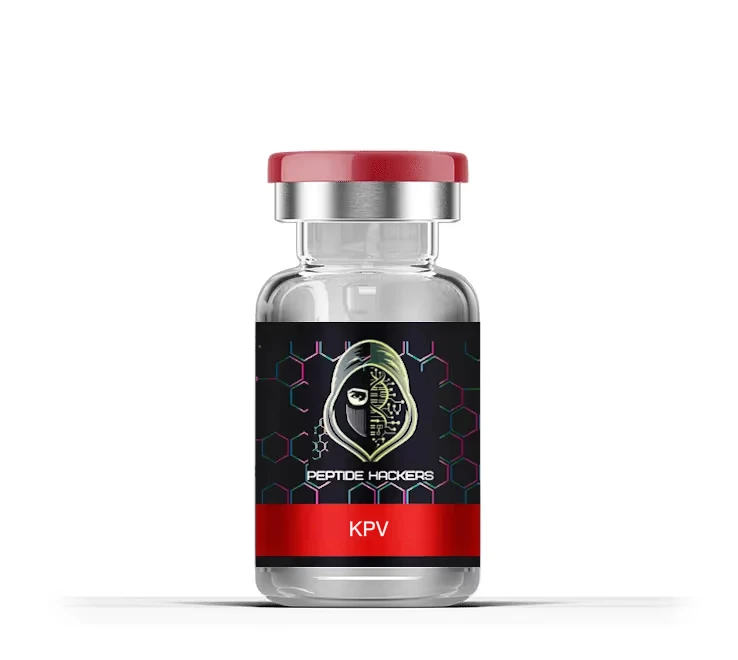
KPV Peptide
From $75.00
Peptides with antimicrobial and immunomodulatory properties studied for host defense mechanisms and infection resistance research.
| Product | Sizes | From | HPLC purity (lab) | COA |
|---|---|---|---|---|
| KPV Peptide | 10mg, 30mg | $75.00 | 99.259% | View COA |
| LL-37 | 10mg | $138.00 | 99.772% | View COA |
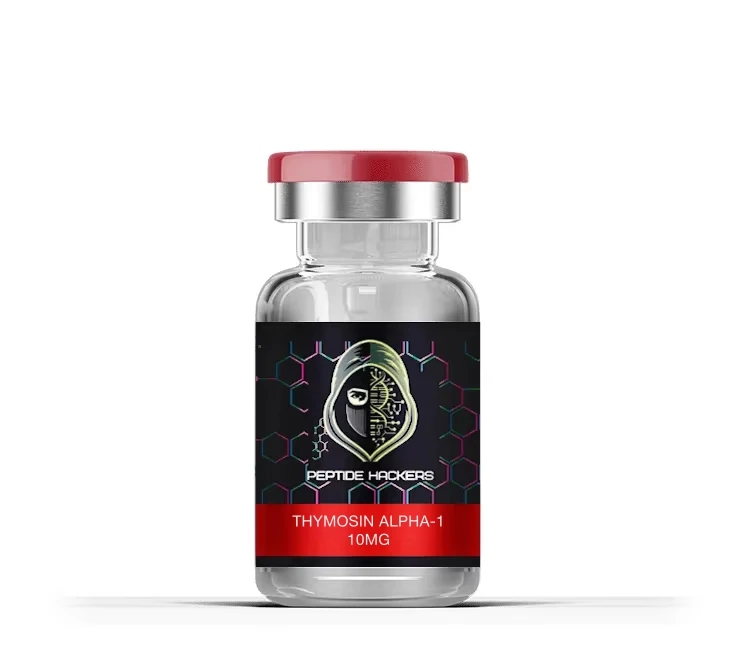
| Thymosin Alpha-1 | 10mg | $83.00 | 99.284% | View COA |
| Thymulin | 10mg | $61.00 | 99.837% | View COA |
Antimicrobial research peptides are studied in laboratory settings for how they interact with microbial membranes and for their roles in host-defense and immune signaling. This category groups four compounds that sit between direct antimicrobial activity and immunomodulation, which makes them common reference materials in cell-culture and preclinical infection-model research.
LL-37 is the 37-residue cathelicidin peptide cleaved from the human hCAP18 precursor; in-vitro work examines its amphipathic helical structure, membrane disruption and effects on cytokine signaling. KPV Peptide is the C-terminal Lys-Pro-Val tripeptide of alpha-melanocyte-stimulating hormone and is studied in inflammatory-signaling models. Thymosin Alpha-1 is a 28-amino-acid peptide first isolated from thymus tissue and investigated for its interaction with T-cell maturation pathways, and Thymulin is a zinc-dependent thymic nonapeptide studied for thymic hormone activity.
Researchers use these compounds to compare structure–activity relationships, membrane selectivity and immune-cell responses under controlled conditions. Each product page lists its vial sizes and links its certificate page; the comparison table above shows the lab-measured HPLC purity where a lab report is on file and a dash where none is published yet. All four are supplied for in-vitro laboratory research only.
They are peptides studied in vitro for how they interact with microbial membranes and host-defense pathways. They are research materials, not therapeutics.
Common research questions include membrane disruption, immunomodulatory signaling, and structure–activity relationships across peptide variants.
No. Antimicrobial research peptides are supplied strictly for in-vitro laboratory research. They are not for human or veterinary use, consumption, diagnostic procedures, or clinical applications.
All products in this category are supplied exclusively for laboratory research purposes. These materials are not intended for human or veterinary use, diagnostic procedures, or clinical applications.