
Spec ≥99%PH-CERE-001
Cerebrolysin
From $44.00
Peptides studied in laboratory settings for cognition-related mechanisms including neurotrophic signaling, synaptic plasticity, and neuroprotection in cellular and in-vitro models.
| Product | Sizes | From | HPLC purity (lab) | COA |
|---|---|---|---|---|
| Cerebrolysin | 60mg, 5ml x 5 ampuls, 10ml x 5 ampuls | $44.00 | — | — |
| Dihexa | 10mg | $80.00 | — | — |
| P21 | 10mg | $105.00 | — | — |
| Pinealon | 10mg | $66.00 | — | — |
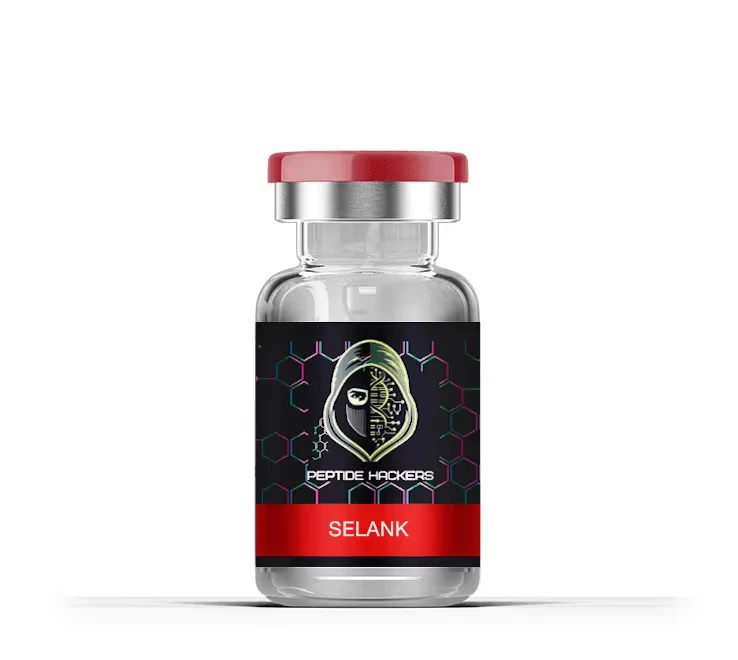
| Selank | 10mg, NA Selank 30mg, 30mg | $50.00 | 99.54% | View COA |
| Semax | 10mg, 30mg, N-Acetyl Semax Amidate 30MG, 40mg | $50.00 | 99.701% | View COA |
| Semax + Selank Blend | 10mg/10mg | $85.00 | — | — |
Nootropic research peptides are studied in laboratory settings for their roles in cognition-related signaling pathways, including neurotrophic mechanisms, synaptic plasticity and neuroprotection in cellular and in-vitro models. This category groups compounds investigated for receptor interactions and neuroregulatory mechanisms underlying learning, memory and neuronal resilience.
Semax is a synthetic heptapeptide analogue of the ACTH(4-10) fragment, and Selank is a synthetic analogue of tuftsin, an immunomodulatory tetrapeptide; both are studied in animal models for their effects on neurotrophic-factor expression such as BDNF and on neurotransmitter signaling, and a combined Semax + Selank Blend is also listed. Dihexa is a small angiotensin IV-derived compound investigated for its interaction with the hepatocyte growth factor and c-Met system. P21 is a peptidomimetic derived from ciliary neurotrophic factor (CNTF) studied in neurogenesis models, Pinealon is a regulatory tripeptide (Glu-Asp-Arg) examined in neuronal cell cultures, and Cerebrolysin is a porcine brain-derived mixture of peptides and amino acids studied in neuroprotection research.
Each product page lists its sizes and links its certificate page; the comparison table above shows the lab-measured HPLC purity where a lab report is on file. All are supplied for in-vitro research only.
They are peptides studied in vitro for cognition-related mechanisms such as neurotrophic signaling, synaptic plasticity, and neuroprotection. They are research materials, not therapeutics or cognitive-enhancement products.
Research focuses on receptor interactions, neurotrophic pathways, and structure–activity relationships relevant to neuronal function in cellular models.
No. Nootropic research peptides are supplied strictly for in-vitro laboratory research. They are not for human or veterinary use, consumption, diagnostic procedures, or clinical applications.
All products in this category are supplied exclusively for laboratory research purposes. These materials are not intended for human or veterinary use, diagnostic procedures, or clinical applications.