
Spec ≥99%PH-ARA290-001
ARA-290
$83.00
Peptides studied for wound healing, collagen synthesis, angiogenesis, and musculoskeletal tissue regeneration.
| Product | Sizes | From | HPLC purity (lab) | COA |
|---|---|---|---|---|
| ARA-290 | 10mg | $83.00 | — | — |
| BPC-157 | 20mg, 10mg, Box (200mg total) | $35.00 | 99.846% | View COA |
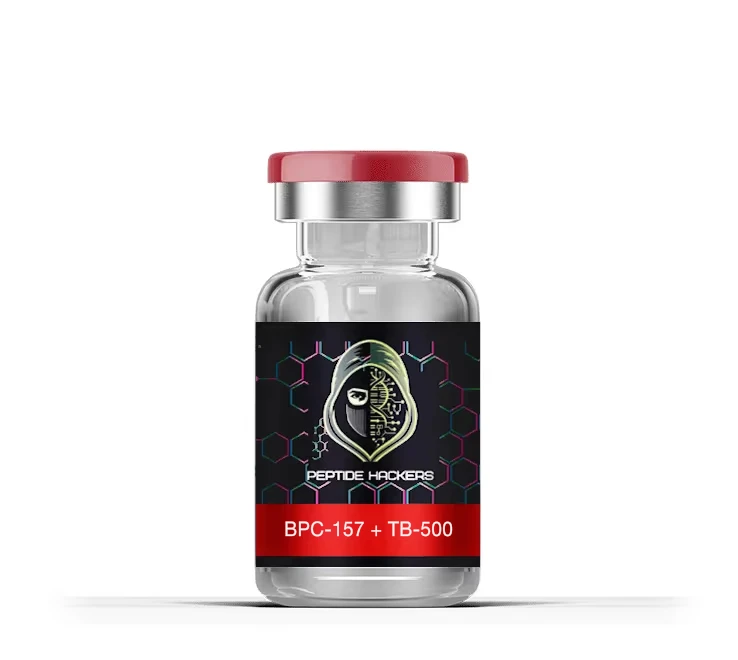
| BPC-157 + TB-500 | 10mg/10mg, 5mg/5mg | $100.00 | — | — |
| GHK-Cu | 50mg, 75mg, 100mg | $30.00 | 99.937% | View COA |
| Glow | 70mg, KLOW 80mg (GLOW 70mg + KPV 10mg) | $135.00 | 99.93% | View COA |
| TB-500 | 5mg, 10mg | $50.00 | 99.084% | View COA |
Tissue-repair research peptides are studied in laboratory settings for their roles in cell migration, proliferation, angiogenesis and growth-factor signaling. This category groups compounds investigated in vitro and in preclinical models of connective-tissue, skin and musculoskeletal research.
BPC-157 is a 15-amino-acid synthetic peptide derived from a protein found in gastric juice, studied in animal models of tendon, muscle and gut-tissue injury and for its association with angiogenic and nitric-oxide signaling. TB-500 is a synthetic peptide based on thymosin beta-4, investigated for actin binding and cell-migration effects. GHK-Cu is the copper complex of the tripeptide glycyl-L-histidyl-L-lysine, examined for its effects on collagen and extracellular-matrix gene expression in fibroblast cultures. ARA-290 (cibinetide) is an 11-amino-acid peptide derived from erythropoietin and studied at the innate repair receptor without erythropoietic activity.
Two blends are also listed: BPC-157 + TB-500, and Glow, which combines GHK-Cu, BPC-157 and TB-500. Each product page lists its vial sizes and links its certificate page; the comparison table above shows the lab-measured HPLC purity where a lab report is on file and a dash where none is published yet. All products are supplied for in-vitro laboratory research only.
They are compounds studied in vitro for mechanisms such as cell migration, proliferation, and growth-factor signaling. They are research materials, not therapeutics.
Research questions commonly involve angiogenesis, extracellular-matrix dynamics, and comparative structure–activity relationships.
No. Tissue-repair research peptides are supplied strictly for in-vitro laboratory research. They are not for human or veterinary use, consumption, diagnostic procedures, or clinical applications.
All products in this category are supplied exclusively for laboratory research purposes. These materials are not intended for human or veterinary use, diagnostic procedures, or clinical applications.